State-by-State Lead Generation for Design Studios: Save Ad Budget in 2024
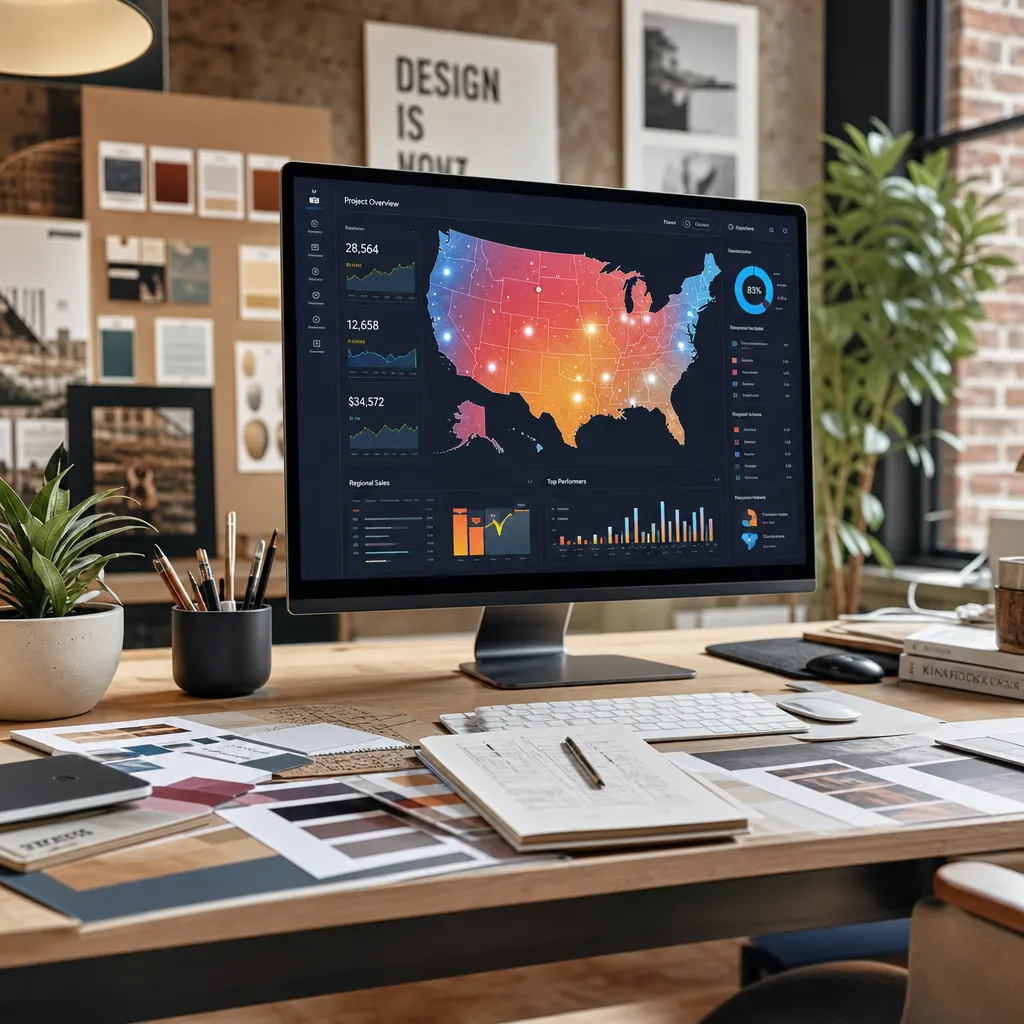
Why Design Studios Are Wasting Ad Budget — And How to Fix It State by State
Design studios across the United States face a common challenge: generating quality leads without burning through their advertising budgets. The problem isn't just about spending money — it's about spending it in the right places, targeting the right audiences, and adapting strategies to the unique market dynamics of each state.
Whether you're a boutique interior design firm in Vermont or a full-service branding agency in California, your lead generation approach should reflect your local market. Here's a comprehensive, state-by-state framework to help design studios generate better leads while keeping ad spend lean and effective.
Understanding Why Most Design Studios Waste Ad Budget
Before diving into regional strategies, let's identify the most common budget-draining mistakes:
- Broad geographic targeting: Running ads across entire states or the whole country when your service area is limited
- Ignoring local search intent: Failing to optimize for "near me" and city-specific searches
- One-size-fits-all messaging: Using the same ad copy for markets with vastly different needs
- Neglecting organic channels: Over-relying on paid ads instead of building sustainable lead pipelines
- Poor landing page optimization: Driving traffic to generic pages that don't convert
The State-by-State Approach: Why Geography Matters
Each state has different competition levels, cost-per-click rates, consumer behaviors, and economic conditions. A design studio in New York competes in an entirely different landscape than one in Montana. Here's how to tailor your approach:
High-Competition States (NY, CA, TX, FL, IL)
In densely populated, highly competitive markets, paid advertising costs are significantly higher. Design studios in these states should:
- Focus on hyper-local targeting: Instead of targeting "California," narrow down to specific neighborhoods, zip codes, or cities like "graphic design studio in Silver Lake, LA"
- Invest heavily in SEO and content marketing: Long-tail keywords with local modifiers can drive organic traffic at a fraction of the paid cost
- Leverage LinkedIn outreach: B2B design studios can connect directly with decision-makers without paying per click
- Use retargeting strategically: Show ads only to website visitors who've already shown interest, reducing wasted impressions
Mid-Competition States (CO, WA, GA, NC, AZ)
These growing markets offer a sweet spot between opportunity and cost. Studios here should:
- Combine paid and organic strategies: Allocate 40% of budget to Google Ads and 60% to content creation and local SEO
- Partner with local businesses: Cross-promotions with complementary businesses like real estate agents, contractors, or marketing consultants
- Claim and optimize Google Business Profile: This free tool drives significant leads for design studios with physical locations
Low-Competition States (WY, VT, ND, SD, WV)
In smaller markets, there's less search volume but also far less competition. The strategy shifts dramatically:
- Dominate local search with minimal spend: A small monthly budget can secure top positions
- Focus on referral networks: Word-of-mouth and community involvement generate the highest-quality leads
- Expand your service area digitally: Offer remote design services and target neighboring states
- Use social media organically: Smaller communities respond well to authentic, behind-the-scenes content on Instagram and Facebook
5 Universal Strategies That Work in Every State
1. Build a Portfolio That Sells
Your website portfolio is your most powerful lead generation tool. Ensure every project includes before-and-after visuals, client testimonials, and clear calls-to-action. Optimize each portfolio page for local keywords.
2. Create Location-Specific Landing Pages
If you serve multiple cities, create dedicated landing pages for each. A page titled "Brand Design Services in Austin, TX" will outperform a generic services page in local search results and dramatically improve your ad quality scores, lowering cost-per-click.
3. Implement a Lead Magnet Strategy
Offer free resources like design checklists, brand audit templates, or style guides in exchange for email addresses. This builds a nurture pipeline that converts over time without ongoing ad spend.
4. Track Everything With Proper Attribution
Use UTM parameters, call tracking, and CRM integrations to know exactly which channels produce paying clients — not just clicks. Many studios waste budget because they can't distinguish between a $5 lead and a $500 lead.
5. Prioritize Google Ads Over Social Ads for Direct Response
For most design studios, Google Search Ads outperform Facebook and Instagram ads for lead generation because they capture intent-based traffic — people actively searching for design services. Save social media ads for brand awareness and retargeting campaigns.
Budget Allocation Framework by Studio Size
Here's a practical monthly budget breakdown:
- Solo designers ($500-$1,000/month): 70% SEO/content, 20% Google Ads (hyper-local), 10% social media
- Small studios ($1,000-$3,000/month): 50% Google Ads, 30% SEO/content, 20% retargeting and social
- Mid-size agencies ($3,000-$10,000/month): 40% Google Ads, 25% SEO, 20% LinkedIn/social, 15% partnerships and events
Frequently Asked Questions
How much should a design studio spend on lead generation?
Most successful design studios allocate 7-15% of their revenue toward marketing and lead generation. The exact amount depends on your state's competition level, your growth goals, and whether you're leveraging organic channels alongside paid advertising.
Which states have the lowest cost-per-click for design services?
States with lower population density like Wyoming, Montana, North Dakota, and West Virginia typically have the lowest CPCs for design-related keywords — often 50-70% less than major metro areas in California, New York, or Florida.
Is SEO or paid advertising better for design studios?
Both serve different purposes. SEO delivers long-term, sustainable leads at a lower cost over time, while paid advertising provides immediate visibility. The ideal approach combines both, with the ratio depending on your market and budget.
How can design studios track which leads come from ads vs. organic?
Use Google Analytics with UTM tracking codes on all ad campaigns, implement call tracking software like CallRail, and integrate your website forms with a CRM system. This provides clear attribution data so you can double down on what works.
Should design studios target their own state or go national?
Start local and expand strategically. Dominating your local market is more cost-effective and builds a strong foundation. Once you have consistent local leads, expand to neighboring states or target specific industries nationwide with tailored campaigns.